Kenyan coffee stands among the world’s most prized and distinctive origins. Known for its bright, wine-like acidity, complex fruit notes, and full body, coffee from Kenya commands premium prices—and delivers flavor experiences unlike any other origin.
What makes Kenyan coffee special isn’t just geography. It’s a combination of high-altitude growing conditions, unique coffee varieties developed specifically for Kenya, meticulous processing standards, and one of the world’s most rigorous grading systems. The result is coffee that serious enthusiasts and professionals consistently rank among the best available.
What Makes Kenyan Coffee Special
Geography and Climate
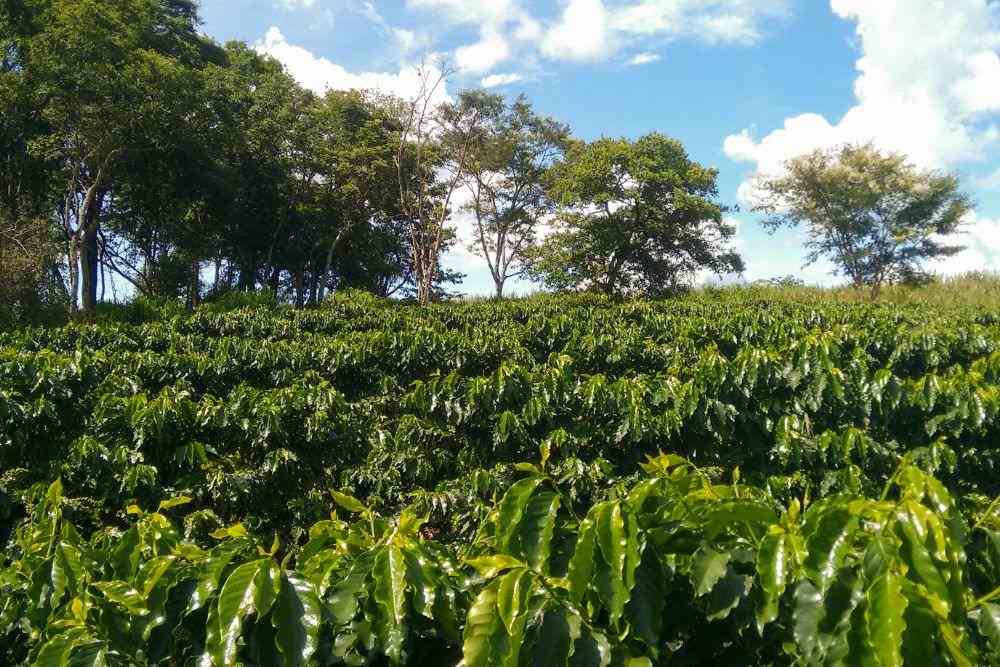
Kenya’s coffee grows primarily in the central highlands surrounding Mount Kenya, at elevations between 4,900 and 6,800 feet. These high altitudes mean cooler temperatures, which slow cherry maturation and allow beans to develop more complex sugars and acids.
The volcanic soil—rich in phosphorus and potassium—provides ideal growing conditions. Two rainy seasons (March-May and October-December) produce two harvest periods, with the main harvest (October-December) generally producing higher-quality beans.
Unique Varieties
Kenya’s signature varieties—SL28 and SL34—were developed by Scott Laboratories in the 1930s specifically for Kenyan conditions. These cultivars produce exceptionally complex, fruity coffees that define the “Kenyan taste.”
SL28 in particular is renowned for its intense blackcurrant and citrus notes, balanced by a syrupy body. These varieties don’t perform as well at lower altitudes, making Kenya’s terroir essential to their expression.
Processing and Quality Control
Most Kenyan coffee undergoes washed (wet) processing, where fruit is removed before drying. This produces clean, bright cups that highlight the beans’ natural acidity. Kenya’s processing standards are among the world’s strictest, with multiple washing stages and careful fermentation control.
The Kenya Coffee Directorate oversees quality standards, and coffee passes through rigorous cupping before export. This institutional focus on quality helps explain Kenya’s consistent excellence.
The Famous Flavor Profile
Kenyan coffee is known for:
- Bright, wine-like acidity — often compared to a good Burgundy
- Blackcurrant and tomato notes — distinctive flavors rare in other origins
- Citrus brightness — lemon, grapefruit, orange
- Full body — despite high acidity, Kenyan coffees feel substantial
- Complex finish — flavors evolve as the cup cools
Understanding Kenya Coffee Grades
Kenya uses a grading system based primarily on bean size, measured by screens (perforated metal sheets). Larger beans generally correlate with higher quality, though this isn’t absolute.
AA (Screen 17-18)
The largest and most prized grade. AA beans are typically 7mm or larger. Most specialty Kenyan coffee exported is AA grade. These beans tend to have the most developed flavors and fetch the highest prices.
AB (Screen 15-16)
Slightly smaller than AA but still excellent quality. AB comprises about 30% of Kenya’s production. Many coffee professionals argue that AB can equal or exceed AA in cup quality—size isn’t everything.
PB (Peaberry)
Peaberries occur when only one seed develops inside the coffee cherry instead of two. The single bean is rounder and denser. Some believe peaberries have more concentrated flavor; others find little difference. They’re typically sorted and sold separately.
Other Grades
C, TT, and T grades represent smaller or broken beans. These rarely appear in specialty markets but may be used in blends or domestic consumption.
Important: Grade indicates size, not necessarily quality. A well-processed AB from an excellent farm can outperform a poorly handled AA. Always prioritize reputable roasters who cup and select their offerings.
Top 8 Kenyan Coffee Brands
1. Volcanica Kenya AA — Best Overall
Source: High-altitude farms, 4,900-6,800 feet
Roast: Medium
Tasting Notes: Raspberry, cranberry, redwood, wine-like finish
Price: ~$22-28 for 16oz
Volcanica consistently delivers exceptional Kenya AA. Their beans are sourced from farms near Mount Kenya and roasted to highlight the origin’s signature brightness. The Rainforest Alliance certification ensures ethical sourcing.
What sets Volcanica apart is consistency—order after order, you get that classic Kenyan profile: bright acidity, berry fruit, and complex finish. This is the Kenya AA we recommend to anyone exploring the origin for the first time.
2. Cooper’s Cask Kenya AA — Best for Espresso and Lattes
Source: Kenyan highlands
Roast: Dark
Tasting Notes: Dark chocolate, cherry, molasses, honey
Price: ~$18-22 for 12oz
Most Kenyan coffee is medium roasted to preserve its bright acidity, but Cooper’s Cask takes a different approach. Their dark roast trades some brightness for deep chocolate and caramel notes that work beautifully with milk.
If you love Kenyan coffee but prefer espresso drinks or find typical Kenyan brightness too intense, this is your answer. The cherry notes persist even through darker roasting.
3. Fresh Roasted Coffee Kenya AA — Best Value
Source: Mt. Elgon, Bungoma County, family farms
Roast: Medium
Tasting Notes: Bright, sweet, citrus, clean
Price: ~$15-18 for 12oz
Fresh Roasted Coffee sources directly from family farms near Mt. Elgon and roasts in small batches to order. The result is remarkably fresh coffee at competitive prices.
This Kenya AA doesn’t have quite the complexity of premium offerings, but it delivers classic Kenyan brightness and sweetness at accessible prices. Excellent for daily drinking when you want Kenyan character without premium cost.
4. JBC Coffee Roasters Kenya — Best for Enthusiasts
Source: Rotating single estates
Roast: Light-Medium
Tasting Notes: Blackcurrant, ruby grapefruit, honeycomb, dark chocolate
Price: ~$20-25 for 12oz
JBC sources exceptional single-estate Kenyan coffees and roasts them to highlight each lot’s unique character. Their offerings rotate seasonally, so you’ll experience different farms and processing methods throughout the year.
This is where you go when you want to understand why coffee professionals obsess over Kenya. The clarity of flavor, the dramatic fruit notes, the extended finish—JBC’s Kenyan offerings showcase the origin’s full potential.
5. Henry’s House of Coffee Kenya AA — Best Traditional Profile
Source: Certified Kenya AA
Roast: Medium
Tasting Notes: Vanilla, berries, lemon, wine
Price: ~$18-22 for 12oz
Henry’s House offers classic, no-surprises Kenya AA. The medium roast balances brightness with body, and the flavor profile hits all the expected notes: berry fruit, citrus, and that characteristic wine-like finish.
If you’ve had great Kenyan coffee at a specialty cafe and want to replicate it at home, Henry’s House delivers the archetypal Kenya AA experience. Reliable quality, consistent roasting, fair prices.
6. Java House Kenya — Best Direct from Kenya
Source: 150,000 small-scale farmers’ cooperative
Roast: Medium
Tasting Notes: Bright acidity, volcanic soil minerality, fruit
Price: ~$15-20 for 250g
Java House is a Kenyan company—the largest coffee chain in East Africa. Buying from them means maximum connection to origin and direct support for Kenyan farmers.
The coffee reflects its volcanic highland origins with distinctive mineral notes alongside bright fruit acidity. It’s a chance to taste Kenya as Kenyans drink it, roasted by people who know the origin intimately.
7. Out of the Grey Coffee Kenya Peaberry — Best Peaberry
Source: Kenyan peaberry selection
Roast: Medium
Tasting Notes: Concentrated fruit, bright, complex
Price: ~$20-25 for 12oz
Peaberry enthusiasts claim these single-bean anomalies produce more concentrated, intense flavors. Whether or not you taste a dramatic difference, Kenyan peaberry offers a chance to experience the origin’s character in a unique form.
Out of the Grey’s Kenya Peaberry showcases bright acidity and complex fruit in a dense, flavorful package. Perfect for peaberry-curious drinkers who want quality execution.
8. Cafe Kreyol Kenya AA — Best Small Roaster
Source: Kenyan highlands
Roast: Light-Medium
Tasting Notes: Citrus, berry, wine-like acidity
Price: ~$18-22 for 12oz
Cafe Kreyol is a small-batch roaster that freshly roasts each order. You won’t find their coffee sitting on shelves—it goes from roaster to your cup within days.
Their Kenya AA is roasted on the lighter side to maximize the origin’s natural brightness and complexity. If you want to taste what specialty coffee professionals mean when they praise Kenyan coffees, this showcases those qualities beautifully.
How to Brew Kenyan Coffee
Kenyan coffee’s bright acidity and complex fruit notes shine brightest with brewing methods that highlight clarity:
Recommended Methods
Pour-over (V60, Chemex, Kalita): Paper filtration produces the cleanest cup, letting Kenyan brightness shine. This is how most professionals evaluate Kenyan coffee.
AeroPress: Versatile enough to emphasize either brightness (shorter brew, finer grind) or body (longer steep, coarser grind).
French press: Works but mutes some brightness. The heavy body can complement Kenyan coffees, though you’ll lose some high-note complexity.
Brewing Tips
- Water temperature: 200-205°F (93-96°C). Slightly hotter than some origins to extract those complex acids.
- Grind: Medium-fine for pour-over, medium for AeroPress.
- Ratio: 1:16 (coffee to water) lets acidity shine without overwhelming.
- Fresh beans: Kenyan coffee’s nuances fade quickly. Use within 2-3 weeks of roast date.
Kenyan Coffee vs Other African Origins
Africa produces some of the world’s most distinctive coffees. Here’s how Kenya compares:
| Origin | Acidity | Body | Key Flavors |
|---|---|---|---|
| Kenya | High, wine-like | Medium-full | Blackcurrant, tomato, citrus |
| Ethiopia (Washed) | High, crisp | Light-medium | Floral, tea-like, lemon, bergamot |
| Ethiopia (Natural) | Medium-high | Medium | Blueberry, strawberry, wine |
| Rwanda | Bright, juicy | Medium | Orange, red fruit, floral |
| Tanzania | Bright | Medium | Stone fruit, chocolate, nuts |
Kenya’s distinctive blackcurrant and tomato notes set it apart from all other origins. Ethiopian coffees can match the complexity but have different character—more floral and tea-like. Rwanda offers similar brightness with different fruit notes.
Buying Tips for Kenyan Coffee
Check roast dates. Kenyan coffee’s nuanced flavors fade faster than darker, more forgiving origins. Buy beans roasted within the past 2-4 weeks.
Look for specific sourcing information. Quality roasters specify regions, farms, or cooperatives. Vague “Kenya AA” without details may indicate commodity-grade beans.
Consider Direct Trade or Fair Trade options. Kenya’s auction system can disconnect farmers from premiums. Roasters who buy directly often source better quality and ensure farmers benefit.
Expect to pay more. Quality Kenyan coffee costs $18-30 per 12oz. If you see Kenya AA at supermarket prices, quality compromises were made somewhere.
Buy seasonally. Kenyan coffee is harvested October-December (main crop) and April-June (fly crop). Freshest beans arrive a few months after harvest.
Frequently Asked Questions
Why is Kenyan coffee so expensive?
Multiple factors: high-altitude farming is labor-intensive, Kenya’s strict quality standards mean more sorting and grading, the auction system adds costs, and global demand for Kenya’s distinctive flavor profile keeps prices high. Quality Kenyan coffee genuinely costs more to produce.
What does “AA” mean in Kenya AA coffee?
AA is a size grade indicating beans are screen 17-18 (about 7mm or larger). It’s the largest and most common grade in specialty exports. Larger beans generally correlate with quality, but grade alone doesn’t guarantee great coffee—sourcing and processing matter more.
Is Kenyan coffee good for espresso?
Traditional medium-roast Kenyan coffee can be challenging for espresso—the bright acidity can taste sour under-extracted or harsh over-extracted. Darker roasts (like Cooper’s Cask) work better. Many specialty roasters create Kenya-based espresso blends that balance brightness with sweeter beans.
How should I store Kenyan coffee beans?
Keep beans in an airtight container away from light, heat, and moisture. Don’t refrigerate (moisture and odor absorption). Room temperature storage in a dark pantry is ideal. Use within 2-4 weeks of roast date for best results.
Final Thoughts
Kenyan coffee rewards exploration. Whether you start with Volcanica’s reliable excellence, Cooper’s Cask unique dark roast, or JBC’s rotating single estates, you’re experiencing one of the world’s great coffee origins.
That bright, wine-like acidity and complex fruit character aren’t for everyone—if you prefer smooth, low-acid coffee, Kenya may not be your origin. But for those who appreciate complexity and brightness, Kenyan coffee offers flavors found nowhere else in the coffee world.
Try a few different roasters, experiment with brewing methods, and let yourself be surprised by what those highland-grown beans can deliver.