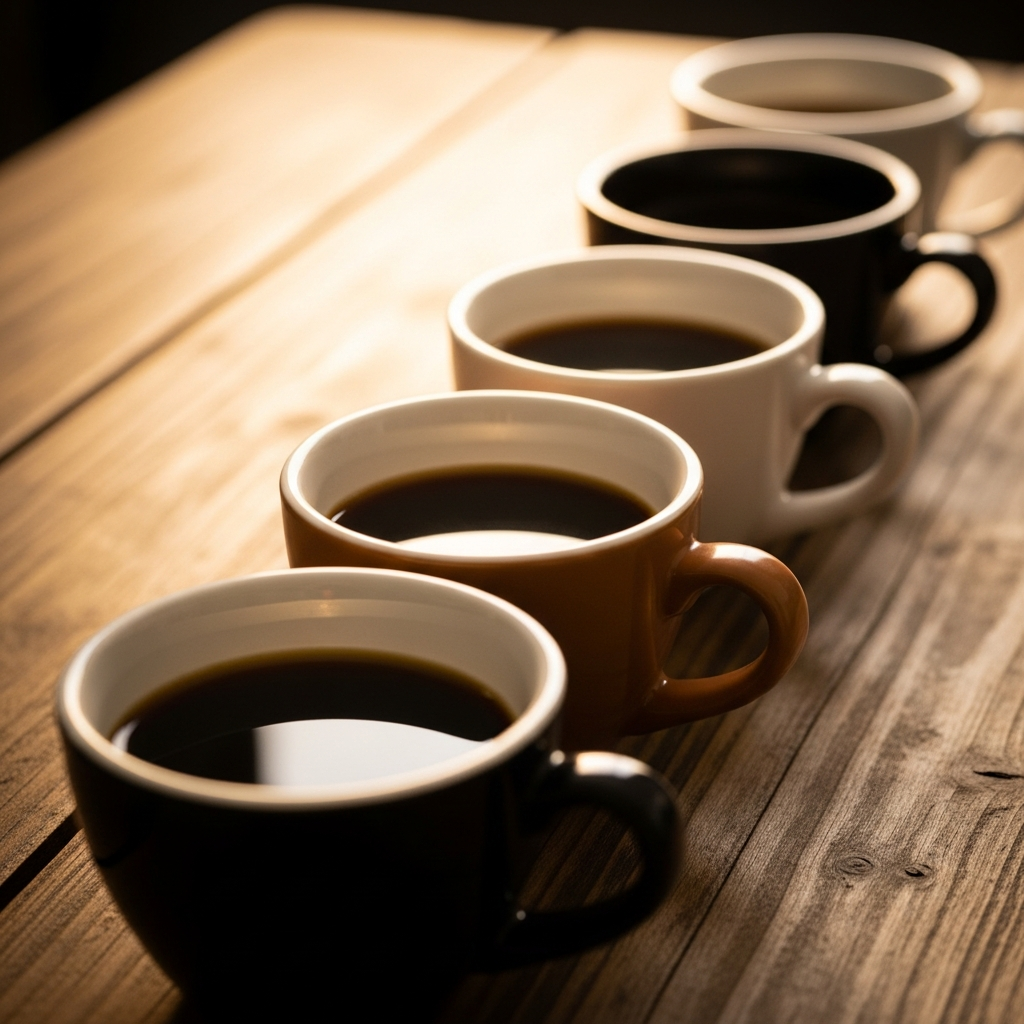
I spent six weeks drinking nothing but dark roast. Eleven different beans, three brew methods — espresso, French press, and pour over — and more cups than I care to count. Some of these bags cost $12. Some cost $30. The price tag, honestly, didn’t predict the winner.
My top pick is Peet’s Major Dickason’s Blend for its bulletproof consistency across every brew method. Lavazza Gran Riserva takes the espresso crown specifically. And Kicking Horse Grizzly Claw is the best value if you want bold dark roast without spending $25 a bag. The rest of the lineup — including a few popular names that genuinely disappointed me — is broken down below.
My Top 5 Dark Roasts — What I Actually Keep Restocked
These are the bags I’ve reordered at least twice. Each one earned its spot by tasting good across multiple brewing methods, staying fresh long enough to actually finish, and being available without hunting down a specialty roaster on the other side of the country.
1. Peet’s Major Dickason’s Blend
Origin: Multi-origin (Latin America, East Africa, Indo-Pacific)
Roast depth: Full dark
Price: ~$11 for 10.5oz ($1.05/oz)
Best brew method: French press, drip, pour over — works everywhere
Major Dickason’s has been Peet’s bestseller for decades and after testing it against 10 other dark roasts, I get why. It hits this balance between bold and smooth that most dark roasts miss entirely. You get a deep, roasty richness with hints of dried fruit and baking spice, but zero burnt or ashy aftertaste. French press brought out the most body. Pour over kept it cleaner. Both were legitimately good.
The thing I respect about this bean is that it doesn’t pretend to be complicated. It’s a crowd-pleaser that actually pleases the crowd — I served it to four people over a weekend without mentioning what I was brewing, and every single one asked what it was. My wife noticed before I said anything. At roughly a dollar an ounce, the value is hard to argue with.
2. Lavazza Gran Riserva
Origin: Multi-origin blend (South America, Southeast Asia)
Roast depth: Dark (Italian-style)
Price: ~$16 for 2.2lb bag ($0.45/oz)
Best brew method: Espresso, moka pot
If you pull espresso at home, Gran Riserva is the dark roast to buy. Classic Italian profile — smoky, bittersweet chocolate, a lingering finish that coats your mouth in a good way. The crema was thick and persistent on my Breville, and the shots tasted just as good on day 20 as day 5. That consistency across the bag’s lifespan is something I genuinely can’t say about most beans on this list.
Less impressive as a pour over — it went flat and one-dimensional when brewed lighter. But for espresso and moka pot, this is the one. The 2.2-pound bag at $16 is also absurd value for the quality.
3. Kicking Horse Grizzly Claw
Origin: Central and South America
Roast depth: Dark
Price: ~$12 for 10oz ($1.20/oz)
Best brew method: French press, drip
Grizzly Claw surprised me. I’d tried Kicking Horse’s Cliff Hanger espresso blend before and wasn’t impressed — oily beans, clogged my grinder — so I almost skipped this one entirely. But Grizzly Claw is a different beast. Bold and smoky with actual cocoa and brown sugar notes underneath the roast char. Not subtle, not trying to be. This is the bean for people who want their dark roast to taste dark.
Fair trade and organic certified, which I mention because at this price point that’s unusual. French press was the standout brew method — the coarse grind let the smokiness bloom without turning bitter. Solid in drip too. I wouldn’t bother with pour over; too much nuance gets lost.
4. Volcanica Dark Roast Sumatra Mandheling
Origin: Sumatra, Indonesia
Roast depth: Dark
Price: ~$22 for 16oz ($1.38/oz)
Best brew method: French press, cold brew
This is the most interesting dark roast I tested. The bag sat on my counter for three days before I opened it, and when I finally did, the smell alone was enough to know this one was different. Sumatra beans have that earthy, almost herbal quality that you either love or find weird — dark roasting pushes those flavors into brown sugar and cedar territory. It’s like coffee from a campfire in the best way. Very low acidity, heavy body, long finish.
I made cold brew with this and it was outstanding. Smooth, chocolatey, with that Sumatran earthiness giving it a depth that typical cold brew blends just don’t have. Not cheap, but if you’re bored of the standard Central American dark roast profile, this is where to go.
5. San Francisco Bay French Roast
Origin: Central and South America
Roast depth: French (very dark)
Price: ~$23 for 2lb bag ($0.72/oz)
Best brew method: Drip, French press
French roast gets a bad reputation in specialty coffee circles, and some of it is deserved. A lot of French roasts taste like charcoal. San Francisco Bay’s version doesn’t — it’s bold and smoky with a slight sweetness that keeps it drinkable black. Full-bodied without being syrupy. Not complex, but solid and dependable morning after morning.
At 72 cents an ounce in the 2-pound bag, this is your daily driver dark roast. I went through the whole bag in three weeks of morning French press and never got tired of it.
That’s a higher bar than it sounds.
Dark Roast Comparison Table
| Bean | Origin | Price/oz | Roast Depth | Best Method | Flavor Profile | Verdict |
|---|---|---|---|---|---|---|
| Peet’s Major Dickason’s | Multi-origin | $1.05 | Full dark | French press | Roasty, dried fruit, baking spice | Best all-around |
| Lavazza Gran Riserva | Multi-origin | $0.45 | Italian dark | Espresso | Smoky, bittersweet chocolate | Best for espresso |
| Kicking Horse Grizzly Claw | Central/South America | $1.20 | Dark | French press | Cocoa, brown sugar, smoke | Best bold value |
| Volcanica Sumatra Mandheling | Sumatra | $1.38 | Dark | Cold brew | Earthy, cedar, brown sugar | Most interesting |
| SF Bay French Roast | Central/South America | $0.72 | French | Drip | Smoky, slight sweetness | Daily driver |
| Death Wish Coffee | India, Peru | $1.00 | Dark | Drip (diluted) | Burnt, bitter, caffeine bomb | Rejected |
| Starbucks Italian Roast | Multi-origin | $0.83 | Extra dark | None stood out | Ash, smoke, bitter | Rejected |
| Community Coffee Signature Dark | Central/South America | $0.62 | Dark | Drip | Mild, toasty, unremarkable | Rejected — too mild |
| Don Pablo Subtle Earth | Honduras | $0.75 | Medium-dark | Pour over | Chocolate, caramel | Rejected — not actually dark |
| Cafe Bustelo Espresso | Multi-origin | $0.50 | Dark | Moka pot | Sharp, bitter, thin | Rejected |
| Eight O’Clock Dark Italian | Multi-origin | $0.58 | Dark | Drip | Ashy, hollow, stale | Rejected |
The Dark Roasts That Let Me Down
Six of the eleven beans I tested didn’t make the cut. Here’s what went wrong with each.
Death Wish Coffee — The marketing says “world’s strongest coffee” and that’s really all it delivers. Extremely high caffeine, extremely low flavor. Every cup tasted burnt and one-dimensional regardless of brew method. The French press batch was actively unpleasant. If you need the caffeine, fine — but call it what it is. A stimulant, not a coffee experience.
Starbucks Italian Roast — I wanted to give Starbucks a fair shake since a lot of people drink this daily. Italian Roast is roasted so far past dark that the origin flavors are completely gone. What’s left is ash and smoke. I tried it as a pour over, French press, and drip — same flat, charred flavor every time. The beans were also visibly oily in the bag, which makes me wonder about shelf life at whatever store it’s been sitting in.
Community Coffee Signature Dark — Not bad. Just not dark roast. This tasted like a medium masquerading as dark — toasty and mild with none of the roasty depth that dark roast drinkers are actually looking for. If you want a gentle, easy drinker, sure. But you’re not getting what the label promises.
Don Pablo Subtle Earth Organic — Same problem as Community but even more pronounced. Medium-dark at best. Chocolate and caramel notes, smooth, very approachable. It’s decent coffee. It’s just not dark roast coffee, and if you’re specifically after bold and roasty you’ll feel misled. The “dark roast” label is doing some heavy lifting here.
Cafe Bustelo Espresso — Pre-ground and it shows. Sharp, thin, bitter — the kind of espresso-style coffee that gives dark roast a bad name. The moka pot pulled a tolerable cup when mixed with hot milk. Everything else was rough. At 50 cents an ounce you get what you pay for.
Eight O’Clock Dark Italian Roast — This might have been a freshness issue. My bag had no roast date printed anywhere on it, and the beans looked dry and pale for a dark roast. Every cup was hollow and ashy with almost no aroma. I was making my second cup when I realized I’d been generous — gave it three separate brews with different methods before giving up. It’s possible a fresher bag would perform differently. But no roast date is a red flag by itself.
How Dark Roast Actually Differs: Medium-Dark vs Dark vs French
Most people say “dark roast” as if it’s one thing. It’s not. There’s a real spectrum in there, and where a bean falls on it changes the flavor profile dramatically.
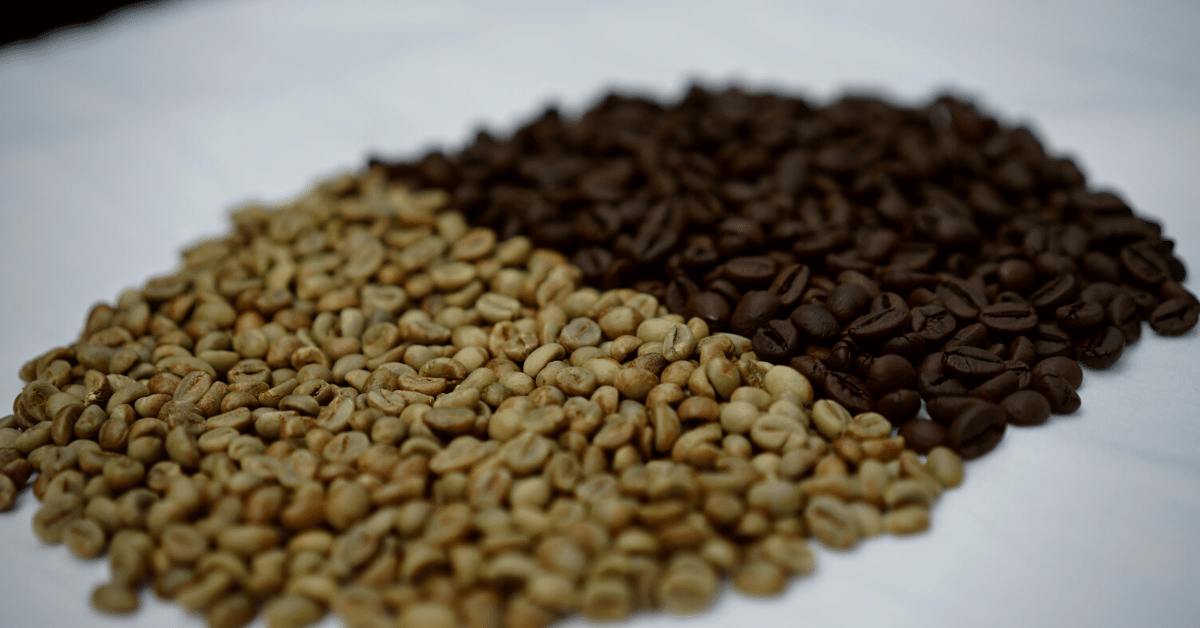
Medium-dark (think Don Pablo, some Kicking Horse blends) — You still taste the bean’s origin. Chocolate, caramel, maybe some fruit or nuttiness. The roast adds body and reduces acidity, but the bean’s personality is still driving. This is where most “dark roast” labels at the grocery store actually land.
Full dark (Peet’s Major Dickason’s, Kicking Horse Grizzly Claw, Volcanica Sumatra) — The roast character takes over. Smoky, bold, heavy-bodied. Origin flavors are still present but they’re in the background. Oils start appearing on the bean surface. This is the sweet spot for most dark roast lovers.
French/Italian roast (San Francisco Bay French, Starbucks Italian, Lavazza Gran Riserva) — Beans are very dark, visibly oily, and the flavor is almost entirely about the roast itself. Smoky, bittersweet, sometimes charred. Done well — SF Bay, Lavazza — it’s rich and satisfying. Done poorly — Starbucks Italian — it tastes like burnt wood. The line between bold and burnt is thin here.
One thing that became obvious during testing: beans labeled “dark roast” can fall anywhere on this spectrum. Don Pablo calls itself dark roast but drinks like a medium. Peet’s and Kicking Horse are legitimately dark. Starbucks Italian is borderline carbonized. Tasting them side by side made the differences impossible to miss.
Best Dark Roast by Brewing Method
Not every dark roast works in every brewer. After running all 11 beans through multiple methods, here’s what I’d grab depending on how you make your coffee.
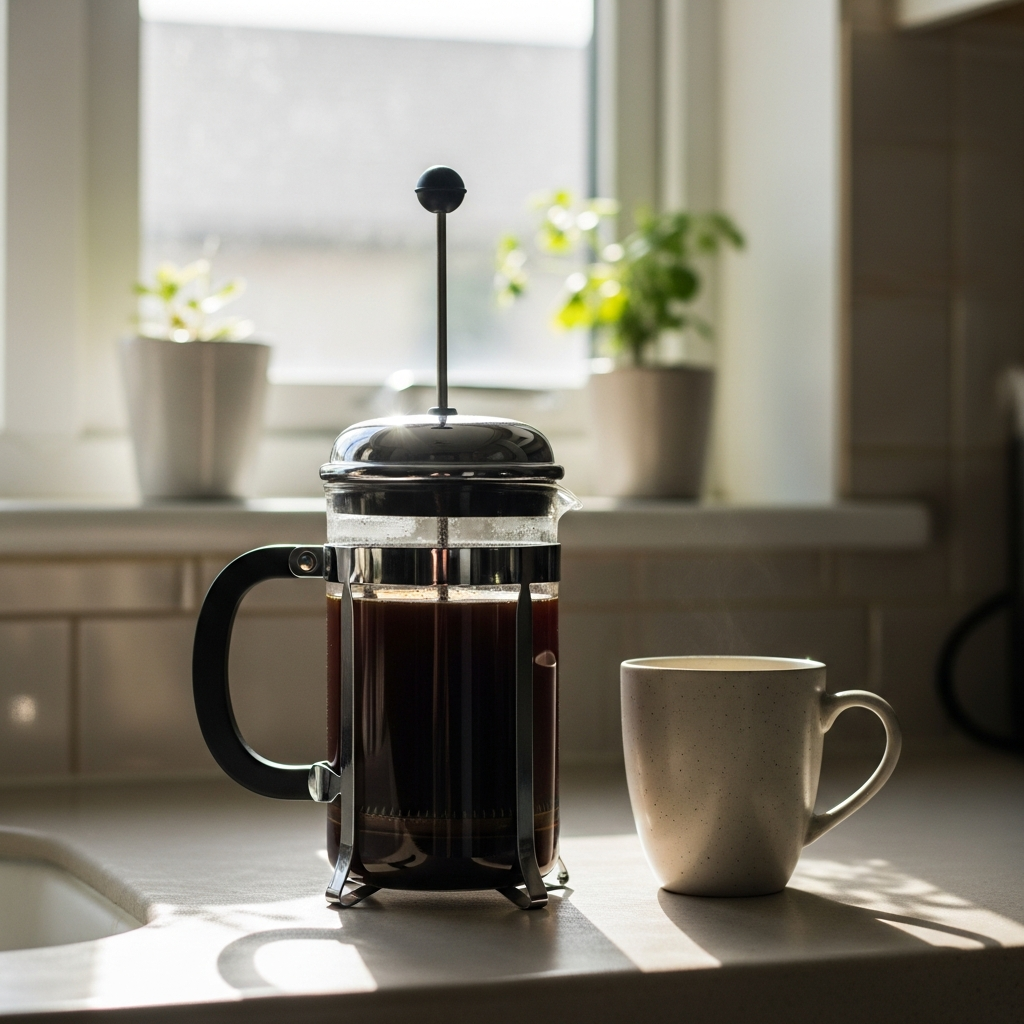
French press: Peet’s Major Dickason’s. The immersion brewing pulls maximum body out of this bean, and the natural oils come through the metal filter in a way that adds richness without heaviness. Kicking Horse Grizzly Claw is a close second if you want it smokier.
Espresso: Lavazza Gran Riserva. Thick crema, classic Italian profile, holds up across the whole bag. The 2.2-pound bag means you’re not running out mid-week and scrambling to dial in something new.
Drip/auto: San Francisco Bay French Roast or Peet’s. Both handle the mid-range brew temperature of a drip machine well. SF Bay wins on price if you’re going through a pot a day.
Pour over: Honestly, dark roast isn’t the best match for pour over. The precision of a V60 or Chemex tends to highlight acidity and clarity — the opposite of what dark roast offers. If you insist, Peet’s was the least boring option, but you’re fighting the method.
Cold brew: Volcanica Sumatra Mandheling. The long steep time smooths out the earthy intensity and you’re left with this deep, chocolatey, almost syrupy cold brew that’s completely different from what you’d get with a typical Colombian. I made a 24-hour batch and it lasted me four days of iced coffees. Don’t skip this one if cold brew is your thing.